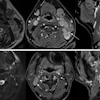
(Radiology Review) Researchers at the Mayo Clinic in Rochester, MN analyzed the enhancement characteristics of insulinomas using multiphase CT, and also assessed the ability of this modality to localize these tumors. Preoperative imaging of the pancreas enables surgeons to determine the extent of surgery required.
Superficial tumors can be removed using simple surgical techniques; however, deeply situated tumors require partial pancreatectomy. When no focal mass is observed, islet cell hyperplasia must be considered as the cause of hypoglycemia, said Dr. Jeff Fidler and colleagues’ findings in the American Journal of Roentgenology.
A review of multiphase helical CT results was performed in 30 patients with known insulinomas. "CT scans were retrospectively reviewed to determine enhancement characteristics, tumor conspicuity in each phase of enhancement, and potential causes for false-negative findings," the authors reported.
Initially, 63% of tumors were identified and a further six were retrospectively shown leading to 83% of the 30 tumors being diagnosed with CT. Ultrasound was performed preoperatively in a number of patients with obvious pancreatic tumors who did not proceed to CT. This may have biased the patient group presenting for CT, and consequently reduced the CT sensitivity.
The authors reported, "Most tumors were hyperdense on at least one phase (n = 19), three tumors were hypoattenuating, and three were isodense and pedunculated. Insulinomas were most conspicuous on the early phase in 15 patients and in the portal venous phase in three."
They added, "in the six examinations with false-negative findings in which the tumor could be seen in retrospect, two tumors were isodense and pedunculated, three were in close proximity to vessels, and one had a cystic appearance."
According to the authors, multiphase helical CT only demonstrates a moderate sensitivity in detecting insulinoma tumors of the pancreas. The earlier phases of enhancement showed tumors more clearly; and so the pancreatic phase showed tumors more often than the arterial phase.
Preoperative detection of pancreatic insulinomas on multiphasic helical CTFidler, J. L., et. al.
Department of radiology, Mayo Clinic and Mayo Foundation, Rochester, MN
AJR 2003 September; 181:775-780
By Radiology Review
October 15, 2003
Copyright © 2003 AuntMinnie.com