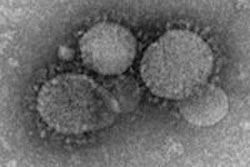
The United Arab Emirates (UAE) on April 13-14 reported 10 more cases of Middle East respiratory syndrome coronavirus (MERS-CoV) infection among healthcare workers.
These cases were identified through screening of people who had contact with a previously confirmed MERS case from Abu Dhabi who died on April 10. Currently, all the infected individuals are in stable condition and their family and healthcare contacts are being followed up.
Following this incident, the World Health Organization (WHO) is encouraging countries to continue their surveillance for severe acute respiratory infections and to carefully review any unusual patterns. Healthcare providers are advised to maintain vigilance. Recent travelers returning from the Middle East who develop severe acute respiratory infections should be tested for MERS.
The organization is also encouraging healthcare facilities and workers to take several precautionary measures to decrease the risk of transmission.
WHO recommends the following:
- Droplet precautions should be added to the standard precautions when providing care to all patients with symptoms of acute respiratory infection.
- Contact precautions and eye protection should be added when caring for probable or confirmed cases of MERS-CoV infection.
- Airborne precautions should be applied when performing aerosol generating procedures.
Patients should be managed as potentially infected when the clinical and epidemiological clues strongly suggest MERS-CoV, even if an initial test on a nasopharyngeal swab is negative, the organization cautioned. It added that repeat testing should be performed when the initial testing is negative, preferably on specimens from the lower respiratory tract.