Emergency department patients prefer clear, empathetic communication when receiving unexpected incidental findings from imaging, and implementing standardized disclosure protocols with plain language explanations and explicit follow-up guidance can improve patient understanding and reduce distress.
- About one in three ED patients may have an incidental finding on imaging unrelated to their reason for visiting the emergency department.
- Patients want four key elements in incidental finding communication: empathetic expert communication, detailed information about the finding, emotional support, and clear next steps.
- Only 4 out of 16 study participants were aware of what incidental findings are before the interview, highlighting the need for better patient education.
- Standardized ED protocols could include brief scripted disclosures, plain language explanations, automated after-visit summaries, and EHR prompts specifying follow-up urgency and care coordination.
Empathy may be key for communicating incidental imaging findings to patients in the emergency department (ED), suggest findings published July 30 in Patient Education and Counseling.
Researchers led by Alessia Mollo, an MD candidate from Northwestern University in Chicago found that ED patients are often caught off guard by incidental findings and prefer “clear, empathetic, and actionable” communication from clinicians.
“Incorporating these preferences into ED notification processes may improve understanding, reduce distress, and support timely follow-up,” Mollo and colleagues wrote.
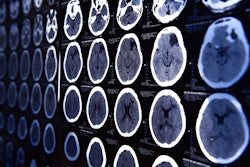
Prior research suggests that about one in three ED patients may have an incidental finding on imaging unrelated to the reason they’re in the ED. While some of these findings require immediate action, others may be less urgent.
Mollo and co-authors noted a lack of data on patients’ experiences of receiving these unexpected results. They studied the perspectives of ED patients being notified of incidental findings from either CT or ultrasound imaging.
The team conducted a qualitative analysis of semi-structured interviews from 16 adult ED patients. The interviews explored patient preferences for communication of incidental findings and developed themes from patients’ responses. Four participants reported being aware of what incidental findings are prior to the interview.
The team observed four themes that emerged from the interviews:
Patients prefer empathetic expert communication.
Incidental findings trigger concerns related to health, emotions, and finances.
Patients value details of both the incidental finding and cause.
Patients want information and support for next steps.
The team noted that patients’ desire for rapport could mean both physicians and non-physician clinicians are acceptable communicators of incidental findings upon showing clarity, empathy, and continuity.
It also suggested that incidental findings “may introduce a new layer of uncertainty during an already stressful ED encounter” for patients. This makes timing, framing, and reassurance important parts of communicating findings to patients, the team wrote.
The study authors suggested that EDs could improve such communication by adopting standardized disclosure practices. These could include brief, plain language explanations of incidental findings and explicit guidance on recommended follow-up.
“Operationally, ED incidental finding protocols could include a brief scripted disclosure framework, automated patient-facing after-visit summary language, and EHR prompts that specify follow-up urgency, recommended clinician or clinic type, and responsibility for care coordination,” they wrote.
The authors called for future research to find out how patient-informed communication protocols and EHR supports may affect patient understanding, distress, and engagement with recommended follow-up.
Read the full study here.