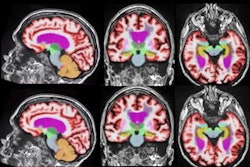
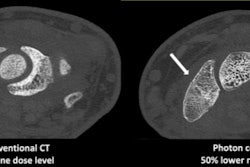
The adoption of artificial intelligence (AI) is already starting to change the practice of radiology -- and its potential is boundless. In a July 11 presentation at AHRA 2022, Dr. Lawrence Tanenbaum of RadNet discusses the potential of AI in MRI.
The adoption of artificial intelligence (AI) is already starting to change the practice of radiology -- and its potential is boundless. In a July 11 presentation at AHRA 2022, Dr. Lawrence Tanenbaum of RadNet discusses the potential of AI in MRI.Video from AHRA 2022: Lawrence Tanenbaum on AI for MRI
Jul 12, 2022
Latest in Home

Medicare payment for cardiac CT declining
September 30, 2026

ASTRO: Shorter SBRT regimens improve patient physical function
September 30, 2026

Sponsored
Free Webinar: CT Contrast Injection Reimagined
September 22, 2026

ASTRO: Incoming president talks 2026 highlights, previews next year
September 30, 2026