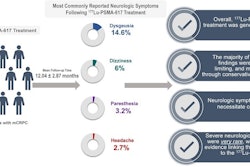
Fatigue, pain flare, nausea, and urinary symptoms are among the most commonly reported immediate side effects of Pluvicto therapy, according to a study presented at the Society of Nuclear Medicine and Molecular Imaging (SNMMI) meeting.
The findings are from survey responses by 41 metastatic castration-resistant prostate cancer (mCRPC) patients across 113 treatment cycles, collected at the time of post-therapy SPECT/CT within 24 hours of treatment, noted presenter Ahmed Tobar, MD, of Washington University in St. Louis, and colleagues.
"As patients may develop urinary retention and urinary infection, careful monitoring post-treatment, specifically in the first four weeks post Pluvicto therapy is required," the group wrote.
Phase III trials including the VISION, NETTER-1, and PSMAfore trials established that Pluvicto is generally well-tolerated, with low rates of immediate side effects. Yet whether those rates are reflected in routine clinical practice had not been systematically examined, according to the researchers.
To that end, nuclear medicine technologists administered a standardized institutional questionnaire at post-therapy SPECT/CT, approximately four hours after Pluvicto injection. The researchers then compared reported symptom frequencies against those reported in the phase III trials.
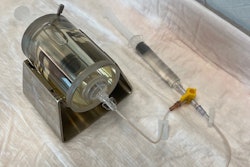
 Post-Pluvicto SPECT/CT with axial fused images of sacrum and sagittal maximum intensity projection of one of the patients who complained of increasing pain in the sacral region (arrows) post therapy.Ahmed Tobar, MD, and SNMMI
Pain flare, primarily skeletal pain, was noted by 16 patients (39%), with nine reporting worsening of symptoms and two reporting improvement in pain. A temporary change in pain medication was required in six of these patients, with stronger pain medications required by two.
Fatigue was prominent, reported by 35 (85.4%) patients pre- and post-treatment, with increased fatigue in 14 (34.1%) post-treatment. Lastly, nausea was reported by 17 patients (41.5%), mild in most cases, with at least one episode of vomiting reported by six patients, the researchers reported.
“Patient symptoms documented with the help of a questionnaire within 4-24 hours post-RPT, at the time of post-therapy SPECT/CT, are useful for active management of pain in mCRPC patients,” the group wrote.
Ultimately, symptoms reported by patients aligned with the known side effect profile of Pluvicto, although several occurred at higher rates than those recorded in the phase III trials, the group noted.
"Nausea and vomiting appeared to be more frequent in real-world settings as compared to the frequency reported in phase three clinical trials with Pluvicto -- premedication with antiemetics should be considered in these patients," the group concluded.
Check out AuntMinnie’s full coverage of SNMMI 2026 on our ShowCast.