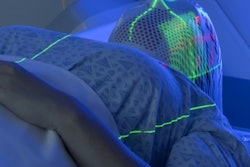
The National Association for Proton Therapy (NAPT) convened its 2026 National Proton Conference in Nashville, TN, in March, highlighting new phase III trial data supporting a survival benefit for intensity-modulated proton therapy (IMPT) over intensity-modulated radiation therapy (IMRT) in head and neck cancer.
 Steven Frank, MD
A landmark phase III randomized controlled trial published in The Lancet found that patients treated with IMPT for oropharyngeal cancer had a 10% improvement in five-year overall survival compared with those receiving IMRT, according to findings presented at the meeting. The study also showed significantly reduced high-grade toxicity with IMPT, including less feeding-tube dependence, reduced dry mouth, and improved swallowing, NAPT noted.
Other presentations addressed the role of proton therapy in thoracic malignancies, including non-small cell lung cancer and reirradiation of previously treated thoracic tumors.
NAPT conference proceedings also signaled the broader trend of rising cancer incidence in adults under 50 -- a development presenters said underscores the clinical value of proton therapy's tissue-sparing properties for younger patients with longer post-treatment life expectancy.
In addition, the conference recognized Steven Frank, MD, for the Accelerator Award for Clinical Achievement. Frank serves as executive director of technology innovations and deputy division head of strategic programs for radiation oncology at University of Texas MD Anderson Cancer Center in Houston.