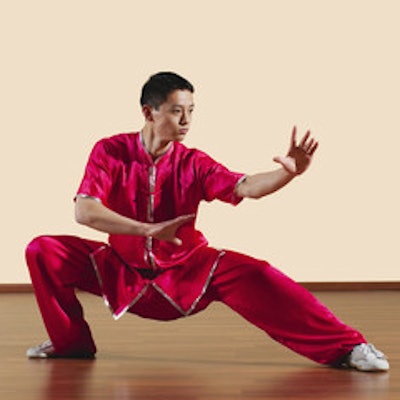
Recreational kung fu is an effective method for improving bone health in young inactive men, according to results of a recent dual-energy x-ray absorptiometry (DEXA) study published June 12 in the Journal of Clinical Densitometry.
A group led by Rawad El Hage, PhD, of the University of Balamand in Kelhat El-Koura, Lebanon, used DEXA to measure bone mineral density (BMD) in a group of inactive young men who participated in recreational Kung Fu, comparing them to a control group who did not. The researchers found that the intervention could ultimately reduce fracture risks among these individuals.
"This study conducted on a group of young inactive men mainly shows that a one-year recreational kung fu intervention improves [whole-body bone mineral content], forearm BMD, and physical performance parameters," they noted.
Bone mineral density (BMD) measured by DEXA is a strong predictor of bone strength and fracture risk. With martial arts and combat sports gaining popularity and levels of physical activity low among young adults, the researchers sought to determine the impact of kung fu on bone health.
Participants included 54 young inactive men between 20 and 30 years old; of these, 51 completed it. The men were assigned to two groups: a control cohort (31) and a kung fu cohort (20); the kung fu group engaged in two 45-minute sessions of recreational kung fu per week. Before and after the one-year training period, the researchers used DEXA to measure and compare bone mineral density measurements between the groups, imaging the whole body, the lumbar spine, the hip, the femoral neck, and the right-side forearm.
Bone mineral density increased in the kung fu cohort across all measurements, with the highest positive improvement seen in the forearms. This result seems logical, the authors noted, since one half of the kung fu exercises in the training protocol involved subjects "punching and kicking the bag as hard as they could."
The study results align with what is called the "specificity principle," which dictates that "skeletal sites exposed to a change in daily loading forces undergo adaptation," the researchers explained.
"This is the first study to demonstrate clear positive effects of a one-year recreational kung fu protocol on bone health parameters in a group of young inactive men," they noted.
El Hage and colleagues urged further research to confirm whether the bone response in this study is similar in young inactive women and whether Kung Fu can have a positive effect on BMD in patients at risk for osteoporosis.
Click here for the full study.