Dear Digital X-Ray Insider,
The rise of digital radiography (DR) is opening a whole new treasure chest of advanced imaging applications, and researchers at the University of Chicago have been at the forefront of some of the most intriguing developments.
With this edition of the Digital X-Ray Insider, we bring you some of their latest work: a bone-suppression algorithm that removes the artifacts on DR images caused by bony structures such as the ribs. The researchers believe that the software functions like dual-energy imaging, but without the extra hardware and image acquisitions needed with that technology, according to an article by contributing writer James Brice.
Learn more by clicking here for an article you're receiving days before the rest of the AuntMinnie.com membership.
In other news in the community, catch up on the following:
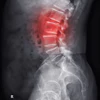
- Radiography may not be necessary following CT for pediatric cervical spine trauma, according to researchers in Toronto.
- A group at Seattle Children's Hospital has found that radiography can help distinguish accidental injuries from possible abuse-related trauma.
- Converting to digital radiography offers yet another benefit -- reduced liability from employee exposure to x-ray chemicals.
- Government report results are in on interdepartmental tension over interventional radiology procedures at a Department of Veterans Affairs hospital in Utah.
If you have tips or ideas on topics you'd like to see covered in the Digital X-Ray Community, drop me a line at [email protected].