Can abdominopelvic CT scans in patients without known COVID-19 -- and with no respiratory symptoms -- predict future surges of the disease in the greater population? It's possible, according to a study published September 30 in Academic Radiology.
The research indicates that unexpected lung base findings on abdominopelvic CT that suggest COVID-19 infection could help clinicians prepare for disease surges, wrote a team led by Dr. Paul Smereka of NYU Langone Health in New York City.
"The rise and fall of unexpected lung base findings suggestive of COVID-19 infection on abdominopelvic CT in patients without COVID-19 symptoms correlated with the number of confirmed new cases throughout NYC from the same time period," the group wrote. "A model using abdominopelvic CT lung base findings could serve as a surrogate for future COVID-19 outbreaks."
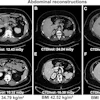
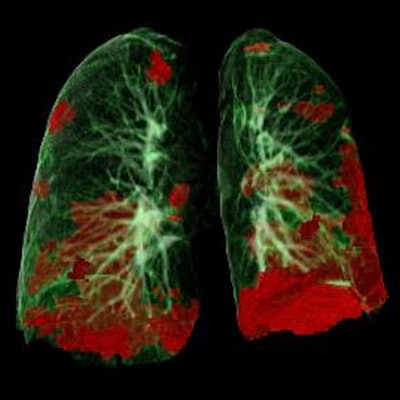
The fact that people can carry COVID-19 but be asymptomatic makes curbing its spread challenging, the team noted. Smereka and colleagues explored if lung findings indicative for COVID-19 on abdominopelvic CT scans could serve as a proxy for the diagnosis of COVID-19 in the community. Their study included 151 patients who presented at NYU Langone between March and May 2020 without respiratory symptoms but who showed signs of COVID-19 disease on 189 abdominopelvic CT exams.
The investigators searched the CT reports for keywords pointing to COVID-19 infection by lung base findings and tracked patients' COVID-19 status, respiratory symptoms, laboratory results, and outcomes such as hospitalization, ICU admission/intubation, or death. They then compared these findings to confirmed COVID-19 cases in New York City during the same time frame.
Of the 151 patients, 53 (35.1%) were confirmed to be positive for COVID-19, 19 were found to be negative (12.6%), and 79 (52.4%) had no COVID-19 test. Of the 189 abdominopelvic CT exams, almost half were deemed "COVID-19 likely" by thoracic radiologist readers.
Study data showed correlations between the number of abdominopelvic CT exams positive for COVID-19 and growth in the overall number of COVID-19 cases in New York City between March and May 2020.
| Correlation between abdominopelvic CT exams positive for COVID-19 and cases in New York City, March to May 2020 | ||
| Date | Patients who underwent abdominopelvic CT with no respiratory symptoms of COVID-19, tested positive | COVID-19 cases in NYC |
| 3/1/20-3/7/20 | 0 | 25 |
| 3/8/20-3/14/20 | 2 | 1,926 |
| 3/15/20-3/21/20 | 2 | 18,969 |
| 3/22/20-3/28/20 | 9 | 29,183 |
| 3/29/20-4/4/20 | 12 | 35,944 |
| 4/5/20-4/11/20 | 14 | 35,148 |
| 4/12/20-4/18/20 | 7 | 23,507 |
| 4/19/20-4/25/20 | 5 | 19,644 |
| 4/26/20-5/2/20 | 3 | 13,346 |
The findings demonstrate that abnormal results on abdominopelvic CT show promise as an early warning of a coming upsurge in COVID-19 cases, according to the authors.
"Our results show that abnormal lung base findings on abdominopelvic CT during the COVID-19 outbreak in New York City ... follow a similar trend to total confirmed new cases throughout [the city] during the same time period," they wrote. "Consequently, the rise in suspicious lung base findings in 'respiratory asymptomatic' patients could stand as a surrogate for COVID-19 community infection rates."