Patients who have apparently recovered from the novel coronavirus disease (COVID-19) may later prove positive for it when evaluated with reverse transcription polymerase chain reaction (RT-PCR) testing -- indicating they may still be carriers of the virus, according to a research letter published online February 27 in JAMA.
The findings suggest that "current criteria for hospital discharge or discontinuation of quarantine and continued patient management may need to be reevaluated," wrote a team led by Dr. Lan Lan from Zhongnan Hospital of Wuhan University in China.
"Four patients with COVID-19 who met criteria for hospital discharge or discontinuation of quarantine in China (absence of clinical symptoms and radiological abnormalities and two negative RT-PCR test results) had positive RT-PCR test results five to 13 days later," the researchers wrote.
Most research on COVID-19 has been focused on the epidemiological, clinical, and radiological features of patients with confirmed disease, Lan and colleagues wrote. But little research yet exists regarding follow-up of recovered patients.
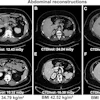
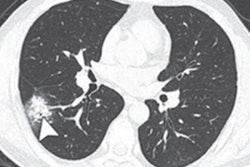
In their study, Lan's team included four patients, all of whom were medical personnel (one hospitalized, three quarantined at home) treated at Zhongnan Hospital between January 1 and February 15. All had positive RT-PCR test results and ground-glass opacification or mixed ground-glass opacification and consolidation on CT; disease severity was mild to moderate.
After hospital discharge or the end of quarantine, the patients underwent RT-PCR tests five to 13 days later. All were positive. The patients then had three more RT-PCR tests over the next four to five days, and all tested positive, although they were asymptomatic by physician examination and chest CT. None of the patients reported contact with anyone with respiratory symptoms, and none of their family members were infected.
"These findings suggest that at least a proportion of recovered patients still may be virus carriers," Lan and colleagues concluded.