Medical neurotechnology firm BrainScope is highlighting a white paper that suggests its BrainScope One electroencephalography-based technology has the potential to reduce unnecessary head CT scans by one-third in a hospital emergency department setting.
A team led by Dr. Rosanne Naunheim from the Washington University Barnes-Jewish Hospital in St. Louis compared 64 patients referred for head CT scans following the traditional referral pathway with use of the BrainScope One referral guideline. The researchers found that using the BrainScope One device could have led to a 33% reduction in head CT scanning in this patient group without any false-negative cases.



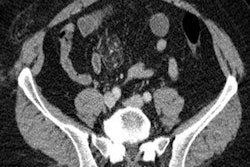




![Images show the pectoralis muscles of a healthy male individual who never smoked (age, 66 years; height, 178 cm; body mass index [BMI, calculated as weight in kilograms divided by height in meters squared], 28.4; number of cigarette pack-years, 0; forced expiratory volume in 1 second [FEV1], 97.6% predicted; FEV1: forced vital capacity [FVC] ratio, 0.71; pectoralis muscle area [PMA], 59.4 cm2; pectoralis muscle volume [PMV], 764 cm3) and a male individual with a smoking history and chronic obstructive pulmonary disorder (COPD) (age, 66 years; height, 178 cm; BMI, 27.5; number of cigarette pack-years, 43.2, FEV1, 48% predicted; FEV1:FVC, 0.56; PMA, 35 cm2; PMV, 480.8 cm3) from the Canadian Cohort Obstructive Lung Disease (i.e., CanCOLD) study. The CT image is shown in the axial plane. The PMV is automatically extracted using the developed deep learning model and overlayed onto the lungs for visual clarity.](https://img.auntminnie.com/mindful/smg/workspaces/default/uploads/2026/03/genkin.25LqljVF0y.jpg?auto=format%2Ccompress&crop=focalpoint&fit=crop&h=112&q=70&w=112)