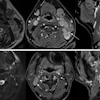
The U.S. Food and Drug Administration (FDA) has approved a blood test that can help determine which adult patients with mild traumatic brain injury (mTBI), i.e., concussion, may need to undergo a CT exam.
The Brain Trauma Indicator from Banyan Biomarkers measures levels of ubiquitin C-terminal hydrolase L1 (UCH-L1) and glial fibrillary acidic protein (GFAP), which the brain often releases into the bloodstream in instances of head trauma. Gathering levels of these blood proteins after concussion may help predict which patients will have intracranial lesions visible on CT scans.
Before making its decision, the FDA examined data from a prospective study of nearly 2,000 blood samples from individuals suspected of having a concussion. The Brain Trauma Indicator test correctly predicted the presence of intracranial lesions on CT scans 97.5% of the time and the lack of intracranial lesions on CT scans 99.6% of the time. Blood test results were available within three to four hours.
Authorization for marketing of the blood test came after fewer than six months of review by the FDA as part of its Breakthrough Devices program and under its de novo premarket review pathway for novel, low- to moderate-risk devices not previously classified by the agency.
"A blood-testing option for the evaluation of mTBI/concussion not only provides healthcare professionals with a new tool, but also sets the stage for a more modernized standard of care for testing of suspected cases," FDA Commissioner Dr. Scott Gottlieb said in a statement. "In addition, availability of a blood test for mTBI/concussion will likely reduce the CT scans performed on patients with concussion each year, potentially saving our healthcare system the cost of often unnecessary neuroimaging tests."