Monday, November 27 | 3:10 p.m.-3:20 p.m. | SSE06-02 | Room N228
In this presentation, Italian researchers will share how mobile CT scanners can play a pivotal role in the personal identification of cadavers in mass disasters.On April 2015, a fatal shipwreck occurred in the Mediterranean Sea, resulting in the tragic loss of approximately 700 migrants.
"Whenever mass disasters occur, the sheer number of bodies makes it impossible to arrange viewing for all of the bodies or to store the bodies for later identification," Dr. Federica Vernuccio told AuntMinnie.com. "A clear advantage of CT was the possibility of storing data for further evaluations."
In the case of cadavers recovered from water, the loss of key facial and bodily features necessitates technological imaging to identify them, she explained.
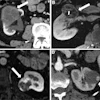
In July 2016, researchers from the University of Palermo used a mobile CT scanner to perform scans of the 149 cadavers (still inside their body bags) that were recovered. CT scanning helped to quickly identify the patients' age, sex, stature, dental profile, previous pathological conditions, and even personal belongings.
"Although a routine radiological assessment in migrant shipwrecks is almost impossible, our study allowed us to get an overall idea of the living conditions of the migrants during these desperate journeys," Vernuccio said. "The protocol we created can be potentially used in other types of mass disaster."