Dear AuntMinnie Member,
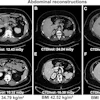
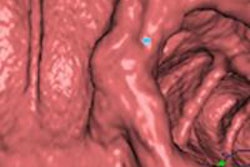
Researchers from Massachusetts General Hospital believe they may have developed a better method for performing minimal-prep CT colonography (CTC), also known as virtual colonoscopy.
The group combined a computer-aided detection (CAD) algorithm with dual-energy CT (DECT) scanning using a virtual monochromatic technique, which creates synthesized studies from DECT data.
The CAD algorithm analyzing the virtual monochromatic images turned in 100% sensitivity with a median of three false positives per patient for neoplasms 10 mm and larger, and it also performed well in the key category of 6- to 9-mm lesions. To learn more, click here, or visit our Advanced Visualization Community at av.auntminnie.com.
Tomo reduces breast screening recalls
We hate to sound like a broken record, but another new clinical study is pointing to the value of digital breast tomosynthesis for screening.
Researchers from Yale University confirmed that tomosynthesis reduced recalls by 37%, a figure in line with previous research. But they also gathered additional data on the kinds of breast abnormalities for which tomo is particularly useful.
For example, recall rates were much lower for women with asymmetries and microcalcifications, while there was no statistically significant difference for women with masses and architectural distortions.
Click here to learn more, or visit our Women's Imaging Community at women.auntminnie.com.
Cancer deaths drop
Finally, click here to read a new article on the encouraging drop in cancer mortality rates over the past 20 years. In issuing the finding, the American Cancer Society noted that much of the drop is due to lower smoking rates over the past two decades -- a trend that CT lung cancer screening could magnify.