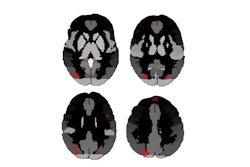
CT imaging of 103 pager blast survivors in Lebanon revealed severe and concentrated craniofacial and ocular injuries, with head injuries affecting 93.2% of patients, globe rupture in 56.3%, and intracranial hemorrhage in 39.8%, making this the first radiological characterization of injuries from synchronized handheld device detonations.
- Head injuries were nearly universal: 93.2% of the 103 pager blast patients studied had head trauma, with intracranial hemorrhage occurring in 39.8%
- Severe ocular trauma was prevalent: Globe rupture occurred in 56.3% of patients, with 28.2% experiencing penetrating globe injuries and close to 25% bilateral ruptures
- Facial fractures and shrapnel concentration: 65% of patients had skull or facial fractures, with shrapnel concentrated in the face (89.3%) and orbits (74.8%)
- Unique injury mechanism: Victims holding pagers close to their faces during detonation created a concentrated face-level blast pattern never before documented
- CT imaging was critical: Rapid CT imaging within 24 hours proved essential for identifying injury severity, guiding surgical intervention, and coordinating specialized neurosurgical and ophthalmologic care
CT imaging shows an unusually concentrated pattern of skull, brain, and eye injuries among survivors of the mass pager explosions that struck Lebanon in September 2024, according to a recent study.
The finding is from a retrospective review of 103 patients who underwent head, orbital, and neck CT within 24 hours of the event, and the results represent the first radiological characterization of injury patterns from synchronized handheld device detonations, noted lead author Christel Tamer, MD, of the American University of Beirut Medical Center, and colleagues.
“Rapid CT imaging proved essential for identifying injury severity, guiding surgical intervention, and supporting coordinated ophthalmologic neurosurgical management,” the group wrote. The study was published July 14 in BMC Medical Imaging.
On September 17, 2024, thousands of pagers carried by members of Hezbollah exploded almost simultaneously across Lebanon and parts of Syria, followed a day later by a second wave of explosions involving handheld radios. Because the devices had beeped to prompt users to check a message, many victims were holding the pagers close to their faces at the moment of detonation.
To characterize the injury pattern, the researchers reviewed CT scans of the head, orbits, maxillofacial region, and neck for all patients who presented to the American University of Beirut Medical Center within 24 hours of the detonations who had blast-related injuries. They classified findings using standardized neuro-ocular and craniofacial trauma categories.
According to the findings, head injuries were nearly universal, affecting 93.2% of patients. Intracranial hemorrhage occurred in 39.8%, most often hemorrhagic contusions (22.3%) and subarachnoid hemorrhage (21.4%), and skull or facial fractures were present in 65%. Orbital injuries were similarly common (82.5%), and ocular trauma was severe: globe rupture occurred in 56.3% of patients, with close to a quarter of those cases bilateral, and penetrating globe injuries occurred in 28.2%. Vitreous hemorrhage was the most frequent posterior segment finding, at 35.9%.
In secondary results, the researchers found that neck injuries were less common, occurring in 13.6% of patients, most often presenting as retained shrapnel and subcutaneous emphysema, with one case of laryngeal injury requiring urgent airway management. Shrapnel itself was concentrated in the face (89.3%) and orbits (74.8%), consistent with the face-level mechanism, and incidental intracranial findings such as arachnoid cysts were identified in 1-2% of imaged patients.
“To our knowledge, this study represents the first radiologic al characterization of neuro ocular injury patterns resulting from synchronized handheld device detonations,” the group wrote.
This injury distribution reflects the unique face level, close proximity blast mechanism, the researchers noted. CT imaging played a critical role in injury assessment and triage, highlighting the importance of specialized preparedness for future unconventional blast events, they concluded.
Read the full study here.