Dear AuntMinnie Insider,
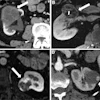
Computer-aided detection (CAD) really does work, boosting virtual colonoscopy's detection sensitivity significantly in all of the peer-reviewed studies, according to researchers from the University of Pisa, who presented their results at the 2011 Computer Assisted Radiology and Surgery meeting in Berlin this past summer.
Analyzing published VC CAD research from 2004 onward, Dr. Lorenzo Faggioni and colleagues parsed studies in which virtual colonoscopy CAD's use as a second reader was compared to unaided reading. CAD's high marks don't mean the systems are ready for standalone exams -- and, indeed, there is variation in the results -- but overall they bode well for getting more CAD schemes approved for clinical use in the coming years. You'll also find some drawbacks and caveats associated with CAD use in this issue's Insider Exclusive.
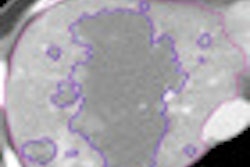
VC CAD could also become easier and more accurate in the coming years, according to a study in Medical Physics. Click here to learn more.
In Japan, it hardly matters if clinically significant polyps are revealed; virtual colonoscopy is useful enough to be performed for the benefit of extracolonic findings alone, researchers said in a study you'll find here.
Conventional colonoscopy screening every 15 years? It might be possible in patients with no sign of disease at screening, according to investigators at the German Cancer Research Center in Heidelberg, who followed a negative cohort over the long term. Get the results by clicking here. Could VC intervals be stretched as well?
Another study put two key bowel prep formulas to the test: magnesium citrate and polyethylene glycol. Which one produced better virtual colonoscopy scans? Get the surprising results here.
Just scroll through the links below for more important VC news as we keep on keeping it real for you in our Virtual Colonoscopy Digital Community.