Dear CT Insider,
Gout, a painful and debilitating imbalance between uric acid production and the body's ability to excrete it, isn't sexy or new. Ancient Egyptians suffered from gout's characteristic deposition of uric acid crystals to the joints, as did Dr. Thomas Sydenham, the 17th-century "father of English medicine" who chronicled his own disease, detailing the associated changes in urine and the link with renal stones.
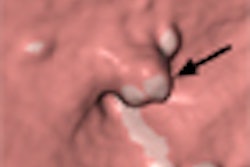
Some aspects of gout are new, however, such as the suspected role of high-fructose corn syrup in its rising incidence, and now, the first noninvasive way to detect it. For rapid and definitive diagnosis, dual-energy CT can do what other imaging modalities cannot, according to radiologists at Vancouver General Hospital in British Columbia.
They developed an application that is not only facilitating the diagnosis of gout, it is also uncovering intriguing new information about the disease. For more, just click on this issue's Insider Exclusive, brought to our CT subscribers before other AuntMinnie.com members can access it.
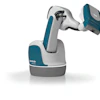
In other news, patients in the intensive care unit can be scanned more safely and cost-effectively with a portable CT scanner, according to a study from the Cleveland Clinic in Ohio. The four-month study, though limited to head scans, brought impressive savings in staff utilization while eliminating the risks of moving seriously ill patients.
In pediatric imaging, it appears as though new low-dose guidelines are finally sinking in, says a new survey of scanning practices.
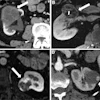
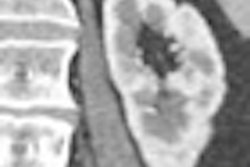
In renal CT, the difference between detecting subtle tumors and missing them is all about technique, according to a discussion at Stanford University's 2008 International Symposium on Multidetector-Row CT. Get tips from a master by clicking here.
For patients presenting with chest pain, is CT really reliable enough to rule out coronary artery disease? What about patients with a low pretest probability of disease? The answers, or at least some pretty good questions, can be found in your CT Digital Community.