A study published in the journal Radiology by researchers at the Medical University of South Carolina in Charleston suggests that GE Healthcare's isosmolar contrast medium iodixanol shows lower incidence of elevated serum creatinine (SCr) compared to iopromide, the Chalfont St. Giles, U.K.-based company said.
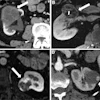
The study included 117 patients with decreased renal function who underwent contrast-enhanced CT exams. Sixty-one patients received iodixanol and 56 received iopromide. Serum creatinine levels were measured at plus one, two, and three days after the exam, and then again at 30 and 90 days.
Fewer patients administered iodixanol showed an SCr increase of 25% or greater: 8.5% compared to 28%, respectively. No patients in either group showed a contrast media-related adverse event at the 30- or 90-day follow-up.
The study concluded that while intravenous contrast material application in high-risk patients is unlikely to be associated with permanent adverse outcomes, SCr levels after contrast material administration are lower with iodixanol than with iopromide, according to GE.
Related Reading
Dineen replaces Hogan at GE Healthcare, July 17, 2008
GE adds charges for MRI scanners, July 15, 2008
OEC shipments drive GE's Q2 growth, July 11, 2008
GE donates CT system for 2010 Olympics, July 10, 2008
GE to aid in Olympic health, July 2, 2008
Copyright © 2008 AuntMinnie.com