Dear CT Insider,
With sharper CT images delivering a trove of new incidental findings, radiologists are looking for better ways to manage them noninvasively.
Among the trickier incidentalomas is the small pancreatic cyst, which may be present in as many as half of the elderly folks you're likely to meet in your local marathon. When less than 3 cm, these lesions are nearly always benign, except when they're not, which is where clinical and imaging findings test doctors' skills.
In today's CT Insider Exclusive, Dr. Brooke Jeffrey shares the abundant experience of his Stanford University team and that of other prominent abdominal radiologists in the safe management of pancreatic cysts. Get information about imaging and clinical signs that can heighten or dispel your concerns by clicking here.
Also on tap today, primary care physicians are using more CT than even they know, according to a new survey from the Kaiser Foundation Hospital and the University of Hawaii. AuntMinnie.com staff writer Wayne Forrest reports that family practice physicians are scanning almost two-thirds more patients compared to four years ago, though utilization has blessedly dropped among pediatricians.
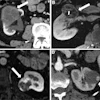
Heightened interest in dual-energy imaging may be the biggest development in CT this year. Find out how use of the technique in the liver could potentially revive CT's fortunes in lesion detection. Dr. Rendon Nelson from the Duke University School of Medicine explains how it all works. In the coming weeks, stay tuned for more news on dual energy's potential.
Also in this issue, see how radiologists are working to lower radiation doses. Hear the good news about contrast nephropathy, which may be less common than previously thought. And be sure to scroll down for the rest of the news in your CT Digital Community.