Dear CT Insider,
Lung cancer screening, currently mired in controversy over whether it increases survival or merely lead-time bias, is getting its randomized trials. The early results of one CT study, the Italung trial presented last month in Vienna, are promising. The results of two well publicized studies are conflicting.
Other researchers believe that integrated PET/CT could be the answer, while Korean researchers say dual-phase PET/CT acquisition may compensate for the characteristically low FDG-18 uptake of some lung malignancies. Could a breath test help select candidates for further study?
This week in an editorial originally published in the American Journal of Roentgenology, Drs. Howard Forman and Christoph Lee weigh in on the implications of lung cancer screening studies, the inevitable tradeoffs screening creates in the allocation of scarce healthcare resources, and the protection of patients from undue risk.
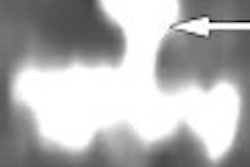
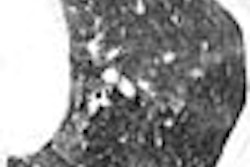
Meanwhile, CT screening technology forges ahead. This month we bring our Insider subscribers three lung nodule computer-aided (CAD) detection studies from the 2007 European Congress of Radiology in Vienna.
Two studies review the performance of a commercially available CAD software package with different kinds of nodules in different locations. A third examines a nascent CAD algorithm aimed at evaluating the malignant potential of ground-glass opacities. Don't miss this intriguing project in our Insider Exclusive article.
You're invited to scroll down for the rest of the news in our CT Digital Community.