PITTSBURGH -- Radiologists continue to explore ways that AI can deliver in reducing workflow burdens that plague their practices.
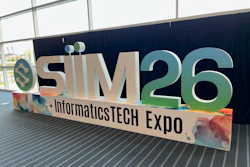
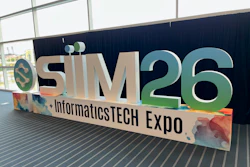
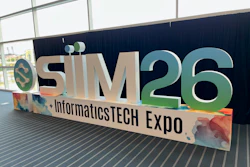
Nina Kottler, MD, from Radiology Partners spoke with attendees at the Society for Imaging Informatics in Medicine (SIIM) annual meeting in an "Ask the Informaticist" talk. There, she took questions and passed on advice about best practices in using AI to make radiologists' work more efficient.
Kottler has been a practicing radiologist for nearly two decades, specializing in emergency imaging. Her research work has focused on using technological advancements such as AI to improve the work and efficiency of radiologists.
With AuntMinnie, Kottler also talked about observations made at SIIM 2026, the biggest challenges radiologists face when using AI, and reasons for optimism.
"Efficiency on its own, if you just get faster and you do a worse job, that's not good enough," she said. "We have to get faster and do a better job."
Check out AuntMinnie’s full coverage of SIIM 2026 here.