Dear AuntMinnie Member,
Of the hundreds of new, revised, or deleted Current Procedural Terminology (CPT) codes for 2023, how many affect diagnostic or interventional radiology? Quite a few, and it's important for radiology practices to be aware of all the changes.
Our most popular article this week -- a column from Erin Stephens of Healthcare Administrative Partners -- can bring you quickly up to speed on the coding changes and help to optimize your practice.
In other highly-viewed articles this week in our Imaging Leaders Community, a new study found that occupational exposure to radiation among radiologists and radiologic technologists was 90% below the recommended annual dose limits. Also, a recent article warns of the possibility that the field of radiobiology could cease to exist as a distinct subspecialty. And most referring physician providers prefer virtual radiology consults to phone calls.
PCCT lowers contrast dose in CCTA
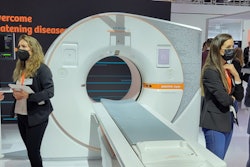
Evidence for the clinical benefits of photon-counting CT (PCCT) continues to accumulate. A new study from the University of Zurich in Switzerland found that the technology can reduce the amount of contrast media needed for coronary CT angiography (CCTA) exams.
Read our full coverage in the CT Digital Community.
Breast imager performance
Are there individual characteristics of breast imagers that impact diagnostic efficacy in interpreting screening mammograms? No, but there are some notable trends that could impact performance, according to a systematic literature review that generated significant page views this week on AuntMinnie.com.
For example, older readers tended to have lower false-positive rates, and high reading volume and breast imaging specialization were linked with higher sensitivity and cancer detection rates, according to the researchers.
You'll find that article and others on women's imaging topics in our Women's Imaging Community, including coverage of research concluding that MRI is the best supplemental imaging method for detecting breast cancer in average-risk women with dense breasts.