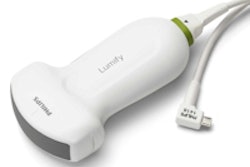
The FDA issued an alert on October 9 regarding a software issue in Philips Lumify point-of-care ultrasound systems that has caused four deaths and eight serious injuries. The problem involves the app failing to recognize registered transducers and requiring re-registration without warning, which blocks scanning until completed, particularly affecting devices used outside hospitals where cellular or Wi-Fi signals are unavailable.
- Deaths and Injuries: Four deaths and eight serious injuries reported as of September 29 linked to the Lumify software issue
- Primary Problem: The Lumify app may fail to recognize a registered transducer and require unexpected re-registration, blocking scans until Wi-Fi or cellular signal allows completion
- High-Risk Settings: Pre-hospital environments like ambulances, aircraft, and field settings face greater risk due to limited signal access
- Secondary Issue: USB cable connections between transducer and device may drop or become unstable during use, interrupting scanning
- Affected Versions: iOS versions 2.X, 5.0, 5.1.2, and 5.1.3; Android versions 1.X, 3.X, 4.X, 5.1, and 5.1.1
- Interim Recommendations: Philips advises using Lumify only where signals are available or keeping backup ultrasound devices on hand; a software update is in development
Philips Ultrasound has reported four deaths and eight serious injuries linked to a software issue that can stop its Lumify point-of-care ultrasound system from scanning, according to an October 9 early alert from the U.S. Food and Drug Administration (FDA).
The FDA’s Center for Devices and Radiological Health (CDRH) called it a potentially high-risk device issue. Philips sent a letter to affected customers on September 24. As of September 29, Philips has reported eight serious injuries and four deaths associated with the issue, the FDA said.
The Lumify Android or iOS app may fail to recognize a transducer that was already registered and then ask users to register it again, with no warning, before point-of-care use, Philips said. Scanning stays blocked until registration is finished, and registration needs a Wi-Fi or cellular signal.
Devices used outside the hospital, such as in ambulances, aircraft, or field settings, face greater risk because signal access is more limited, the agency said. Philips has received reports of unexpected re-registration events that prevented scanning and delayed care in pre-hospital settings without Wi-Fi or cellular coverage.
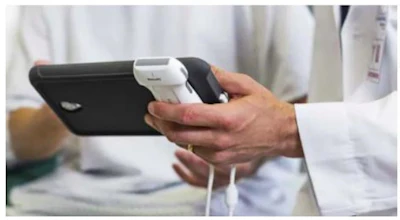
Philips also reported a second problem: the USB cable connection between the transducer and the user’s tablet or phone may drop or become unstable during use. That could interrupt the device and delay care. The company reported it is looking into the cause.
“Because the Lumify system is intended for point-of-care use … loss of functionality or system failure may have greater consequences than with traditional ultrasound devices,” the FDA said, adding that delays in diagnosis or treatment could lead to serious injury or death.
The alert covers Lumify systems running iOS software versions 2.X, 5.0, 5.1.2, and 5.1.3, and Android versions 1.X, 3.X, 4.X, 5.1, and 5.1.1. In its letter, Philips recommends that customers do the following:
Use Lumify only where Wi-Fi or cellular signals are readily available, unless a backup ultrasound device is immediately on hand.
Always keep backup ultrasound devices or other imaging modalities available.
Share the Philips letter with all device users and post the notice near affected units.
Philips is developing a software update for the registration issue and will send customers instructions once it is available. Customers in the U.S. can reach the Philips Ultrasound Customer Care Solutions Center at 1-800-722-9377.