Through a combination of PET and MRI, Canadian researchers are developing a way to deliver personalized treatment to patients with neurological diseases and better predict their therapeutic response, according to a study published online June 14 in NeuroImage.
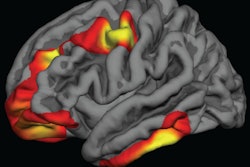
First author Yasser Iturria-Medina, PhD, from the Montreal Neurological Institute and colleagues used computational brain modeling and artificial intelligence (AI) techniques to create a personalized therapeutic intervention fingerprint (pTIF).
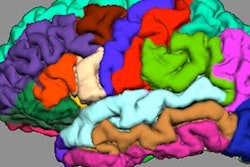
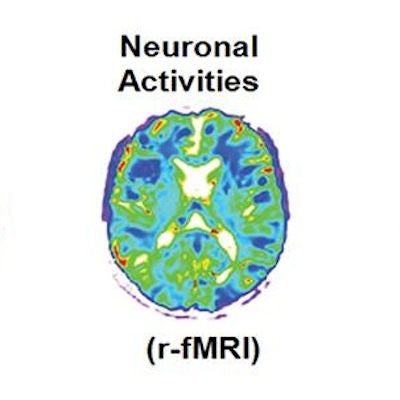
 Multiple modes of PET and MRI were used to create personalized brain "fingerprints." Image courtesy of Yasser Iturria-Medina, PhD.
The pTIF predicts the effectiveness of targeting specific biological factors -- such as inflammation, neuronal dysfunctional, and amyloid and tau deposits -- that are associated with dementia and Alzheimer's disease.
With pTIF subtypes, drugs can be designed for a patient's unique gene expression profile and brain characteristics. The approach could also reduce the cost of clinical trials if it were used as a method to select patients.