The National Institutes of Health (NIH) has awarded InformAI a $2.2 million grant to further the company's development of its CT-based TransplantAI software for organ donor-recipient pairing.
InformAI plans to use the small business innovation research (SBIR) grant for continued research and development work that will include building predictive models for heart and lung transplant outcomes and creating a clinical decision support informatics platform to assist organ transplant surgeons in matching donor organs with patient recipients, according to InformAI.
“There is an urgent need for improved and integrated predictive clinical insights in solid organ transplantation, such as for real-time assessment of waitlist mortality and the likelihood of successful post-transplantation outcomes," said grant lead investigator Abbas Rana, MD, of Baylor College of Medicine in Houston, TX, in a company statement.



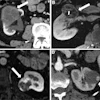


![Axial images from unenhanced calcium score cardiac CT (left) and curved planar reformation images from CT angiography (right) show that higher long-term exposure to air pollution is associated with greater coronary artery calcium and more obstructive coronary artery disease (CAD). Top row: Images in a 68-year-old male patient with higher 10-year mean ambient air pollution exposure (7.9 μg/m3 for particulate matter measuring ≤2.5 μm in diameter [PM2.5] and 17.4 parts per billion [ppb] for NO2) with extensive CAD (coronary artery calcium score [CACS] >1,000 and obstructive CAD [≥70% diameter stenosis]). Bottom row: Images in a 57-year-old female patient with lower 10-year mean ambient air pollution exposure (6.3 μg/m3 for PM2.5 and 4.6 ppb for NO2) with no CAD (CACS = 0 and no obstructive stenosis).](https://img.auntminnie.com/mindful/smg/workspaces/default/uploads/2026/06/hanneman.r6SMLzkezo.png?auto=format%2Ccompress&fit=crop&h=112&q=70&w=112)


