Is head CT effective for assessing acute atraumatic altered mental states such as delirium or psychosis? It doesn't seem so, according to research published November 18 in JAMA Network Open.
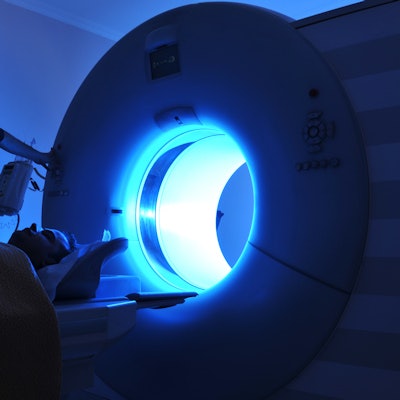
CT is a quick test, but it exposes patients to radiation -- a mean dose is typically 15 mSv in adults, wrote a team led by Dr. Roshan Acharya of Virginia Tech Carilion School of Medicine in Roanoke, VA. So if its clinical yield for this indication isn't significant, it may be best to evaluate patients some other way.
"[Studies have] suggested that approximately one-third of the CT studies could be replaced by alternative approaches or no study at all," the group noted.
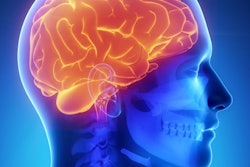
Head CT is the go-to exam for evaluating patients who present in the emergency department with acute atraumatic altered mental status -- a condition prompted by illnesses, disorders, or injuries that affect the brain. But even though organizations such as the American College of Radiology (ACR) don't necessarily recommend ordering it for this indication in the absence of physical trauma, its use is very common, Acharya and colleagues wrote.
The authors sought to investigate the proportion of CT of the head exam use in patients with acute-onset altered mental status and assessed whether the test changed the patient's clinical management via a literature review of PubMed/Medline, PubMed Central, Embase, and CINAHL that consisted of results from 26 studies that included data from 79,201 patients.
The researchers found that use of CT of the head was high, but its clinical yield was low, with an overall exam rate of 94% but a positive results rate of only 11%.
The findings are sobering in light of the current ongoing effort to curb both patients' radiation exposure and healthcare costs, according to the authors.
"Given the risk of radiation hazards and the added cost of care, clinicians should use CT of the head judiciously," the team concluded. "Prospective studies involving a larger cohort of patients with acute change in mental status are required to develop clinical risk stratification tools to facilitate rational ... use of CT of the head."