Dear CT Insider,
Radiologists are keenly aware of the need to reduce patient exposure to radiation, and managing CT radiation dose has been a particular focus of this effort. In this edition's Insider Exclusive, we're highlighting research that suggests that better reporting on coronary artery calcium findings on chest CT scans could reduce the need for subsequent exams -- not only improving preventive treatment for early cardiovascular disease but also protecting patients from unnecessary radiation.
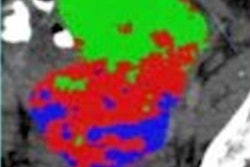
Once you've read this featured story, check out our coverage of a study that found volumetric analysis of lung consolidation on chest CT scans can predict patients' risk of dying in the hospital from COVID-19, as well as our reporting on research that indicates the combination of CT radiomics and real-time CT/ultrasound image fusion produces more accurate tissue biopsies in ovarian cancer patients.
The number of transgender people in the U.S. is increasing, and radiologists have an important role to play in addressing these patients' gender dysphoria -- distress due to the mismatch between their birth-assigned gender and the sex with which they identify. Find out what a team from the University of Colorado has to say about how radiologists can use CT to help surgeons plan facial feminization surgery.
On the artificial intelligence (AI) front, Stanford University and Chinese researchers have found that an AI algorithm based on preoperative CT scans effectively identifies occult peritoneal metastasis in gastric cancer patients, which could help them avoid unnecessary surgery. And in a literature review, another Stanford team says that an AI algorithm trained on chest x-rays and medical record data boosts clinicians' ability to assess whether patients are eligible for CT lung cancer screening.
Finally, take a look at our coverage of a study that shows how CT helps clinicians decide whether it's safe for patients with embedded bullet fragments to undergo MRI for other indications, another that suggests CT pulmonary angiography has a role in predicting pulmonary embolism in patients with chronic obstructive pulmonary disease, and a third that shows that CT images taken at low radiation doses are just as effective for producing 3D-printed models of wrist fractures as standard-dose CT exams.
We wish you the best in 2021 and invite you to check in regularly with AuntMinnie.com's CT Community for the modality's most current news and research developments.