Dear CT Insider,
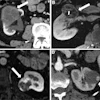
Patients who present in the emergency room with suspected head and neck hemorrhage need to be accurately assessed, and in the least invasive way. In this edition's Insider Exclusive, we're highlighting a study conducted by Boston researchers that suggests that CT angiography is an effective alternative to digital subtraction angiography for this purpose, helping clinicians determine the location of the bleeding before treatment.
After you've read our featured story, check out our report on the U.S. National Institutes of Health's new online imaging and data resource center for physicians treating patients with COVID-19, as well as a new guidance on COVID-19 chest imaging from the World Health Organization.
Discover how pediatric emergency departments are using CT and what researchers have found about how COVID-19 presents in kids who have an associated disease called multisystem inflammatory syndrome in children.
Next, learn how artificial intelligence can improve radiologist performance when it comes to diagnosing hip fractures, and how radiomics features on noncontrast-enhanced chest CT help predict which COVID-19 patients will likely need to be admitted to the intensive care unit. Also take a look at a case study of a woman who was diagnosed with COVID-19 after undergoing CT staging for breast cancer.
Stay healthy, stay safe, and be sure to check in regularly with AuntMinnie.com's CT Community for up-to-the-minute coverage of news and research developments.