An asymptomatic individual in China may have transmitted the novel coronavirus disease (COVID-19) to five family members despite having normal chest CT findings and negative initial DNA test results, according to an article published February 21 in the Journal of the American Medical Association.
The case study, led by Dr. Meiyun Wang, PhD, from Henan Provincial People's Hospital, centered on a familial cluster of five patients suspected of having COVID-19. The presumed asymptomatic carrier is a 20-year-old woman from Wuhan -- the city where the coronavirus was first identified -- who underwent a chest CT exam and nucleic acid testing with reverse transcription polymerase chain reaction (RT-PCR) for suspicion of COVID-19.
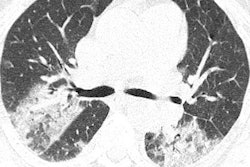
On January 10, she visited two relatives in the city of Anyang and then accompanied all five relatives to visit another hospitalized relative on January 13 at a hospital where there had been no report of COVID-19. All five of the relatives wound up presenting to a clinic with fever and respiratory symptoms between January 23 and 26. CT and DNA testing confirmed the presence of the coronavirus disease in the five symptomatic patients. None of these relatives had been in contact with anybody else from Wuhan.
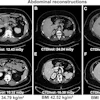
Multiple repeat chest CT exams of the first asymptomatic woman taken as many as 21 days later showed no significant abnormalities. Repeat DNA testing also turned out negative until a test on January 28 finally confirmed the presence of the coronavirus.
"The sequence of events suggests that the coronavirus may have been transmitted by the asymptomatic carrier. ... If the findings in this report of presumed transmission by an asymptomatic carrier are replicated, the prevention of COVID-19 infection would prove challenging," the authors wrote.