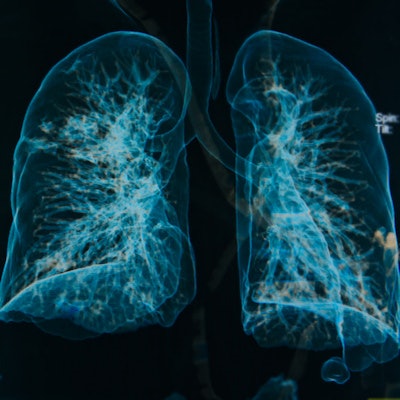
The detection of lung cancer in individuals who have never smoked continues to be a diagnostic challenge for many clinicians in the U.K., according to an article published online April 25 in the Journal of the Royal Society of Medicine.
The researchers from the U.K., consisting of respiratory medicine and public health experts, found that an estimated 6,000 nonsmokers in the U.K. die of lung cancer each year, which surpasses the number of people per year who die of lymphoma (5,200), leukemia (4,500), ovarian cancer (4,200), and cervical cancer (900).
Prior reports have indicated that the major contributing factors to lung cancer in never-smokers in the U.K. are exposure to secondhand smoke (15%), occupational carcinogens (20.5% men; 4.3% women), outdoor pollution (8%), x-ray radiation (0.8%), and radon (0.5%).
"Despite advances in our understanding, most people who have never smoked do not believe they are at risk and often experience long delays in diagnosis, reducing their chances of receiving curative treatment," co-author Dr. Mick Peake of the University College London Hospitals Cancer Collaborative said in a statement to the Royal Society of Medicine.
"For too long, having lung cancer has only been thought of as a smoking related disease," added lead author Dr. Paul Cosford, director for health protection and medical director at Public Health England. "This remains an important association but, as this work shows, the scale of the challenge means there is a need to raise awareness with clinicians and policymakers of the other risk factors, including indoor and outdoor air pollution."