
UnitedHealthcare has agreed to cover cardiovascular software developer HeartFlow's HeartFlow FFR-CT Analysis fractional flow reserve (FFR) software, which helps physicians diagnose and treat people suspected of having coronary artery disease.
HeartFlow FFR-CT Analysis uses a coronary CT angiogram (CTA) to create a 3D model of the heart, simulate blood flow, and assess the effect of any blockages to the heart, according to the firm.
UnitedHealthcare has 45 million beneficiaries. This agreement between the two companies brings the number of people in the U.S. with access to HeartFlow FFR-CT Analysis to more than 235 million, HeartFlow said.


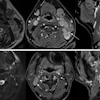





![Images show the pectoralis muscles of a healthy male individual who never smoked (age, 66 years; height, 178 cm; body mass index [BMI, calculated as weight in kilograms divided by height in meters squared], 28.4; number of cigarette pack-years, 0; forced expiratory volume in 1 second [FEV1], 97.6% predicted; FEV1: forced vital capacity [FVC] ratio, 0.71; pectoralis muscle area [PMA], 59.4 cm2; pectoralis muscle volume [PMV], 764 cm3) and a male individual with a smoking history and chronic obstructive pulmonary disorder (COPD) (age, 66 years; height, 178 cm; BMI, 27.5; number of cigarette pack-years, 43.2, FEV1, 48% predicted; FEV1:FVC, 0.56; PMA, 35 cm2; PMV, 480.8 cm3) from the Canadian Cohort Obstructive Lung Disease (i.e., CanCOLD) study. The CT image is shown in the axial plane. The PMV is automatically extracted using the developed deep learning model and overlayed onto the lungs for visual clarity.](https://img.auntminnie.com/mindful/smg/workspaces/default/uploads/2026/03/genkin.25LqljVF0y.jpg?auto=format%2Ccompress&crop=focalpoint&fit=crop&h=112&q=70&w=112)

