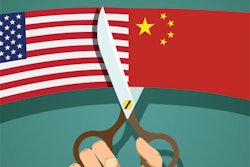
The Trump administration's proposed tariffs on products manufactured in China could affect prices of low- to midrange medical imaging scanners more than high-end machines, according to a new analysis of the tariffs published April 5 by China Med Device.
The Office of the United States Trade Representative (USTR) published a list last week of 1,300 products manufactured in China that could receive tariffs of 25% if imported into the U.S. The USTR said the tariffs were designed to punish the Chinese for a variety of unfair business practices that have resulted in a major trade imbalance between the U.S. and China.
Most of the major imaging modalities were on the list, including CT, MRI, and ultrasound scanners, as well as scintigraphy and x-ray systems. A variety of other dental and medical products were also included.
The tariffs could affect companies from the U.S. and other nations, as many multinational firms have moved their manufacturing to China. But the China Med Device report notes that the impact is most likely to fall on low- to midrange scanners, as these are the types of systems most likely to be built in China by multinational vendors.
"Most of the imaging products made in China are mid- to low-end products," China Med Device wrote. "U.S. hospitals tend to purchase higher-end products. Imaging centers and outpatient centers who are more price-sensitive may hurt more."