Dear AuntMinnie Member,
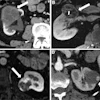
Coronary CT angiography (CCTA) can be used to predict adverse cardiac events in patients who have stable chest pain by identifying high-risk plaques that could be prone to rupture. But whether CCTA plaque information should be added to traditional risk factors for heart disease is still open to debate.
In a study published this week in JAMA Cardiology, researchers looked at a subset of patients from the Prospective Multicenter Imaging Study for Evaluation of Chest Pain (PROMISE), which compared CCTA to functional imaging from 2010 to 2013. The new study focused on individuals with stable chest pain who later had major cardiac events.
The researchers found that people with high-risk plaque on CCTA had twice the rate of cardiac events than those who didn't have the plaques. But the overall rate of adverse events was low, which makes it difficult to justify the inclusion of CCTA data on plaque into the clinical management of patients, according to an editorial that accompanied the study. Learn more by clicking here, or visit our CT Community at ct.auntminnie.com.
AI guides lower PET tracer dose
With the explosion of artificial intelligence (AI), researchers are looking at a variety of applications for the new technology. In our Artificial Intelligence Community, we are pleased to bring you an article on one of the latest possible uses for AI: reducing radiopharmaceutical dose for PET studies.
A group from Stanford University developed a deep-learning algorithm that takes data from ultralow-dose PET scans and creates synthetic images that approximate full-dose scans. They believe the technique could achieve up to a 99% dose reduction.
Learn more by clicking here, or visit the community at ai.auntminnie.com.
3D-printed biopsy device
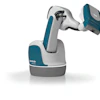
Finally, visit our Advanced Visualization Community for the latest on work conducted in the Netherlands, where researchers built a 3D-printed biopsy device for MRI that's capable of being robotically controlled -- while in the scanner. The device uses 3D-printed plastic and is driven pneumatically to enable it to work in the MRI environment. Just click here to learn more, or visit the community at av.auntminnie.com.