Dear AuntMinnie Member,
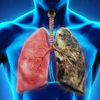
Researchers from Pittsburgh may have found a way to make CT lung cancer screening even more effective: perform screens for head and neck cancer at the same time.
Using a database of some 3,500 participants in a CT lung cancer screening study, they found that individuals at higher risk of lung cancer were also more likely to develop head and neck cancer -- as cigarette smoking is one of the primary risk factors for the disease.
Learn more about the study by clicking here.
Twitter and CT radiation fears
While you're in the community, check out a new article that highlights patient concerns regarding radiation dose, as reflected in posts to the social media site Twitter.
Researchers from New York reviewed a variety of tweets about radiation made over the course of a year. They found that most of them were linking to articles in the lay press and other sources that were not peer-reviewed.
The study indicates that radiologists need to become more engaged in social media to counteract misconceptions about radiation that may be growing through various social networks, the authors believe. Get the rest of the story by clicking here.
PET/MRI for neuroinflammation
Finally, visit our Molecular Imaging Community for an article on how researchers from Boston used PET/MRI to link chronic back pain to signs of neuroinflammation in the brain.
The researchers detected elevated levels of a translocator protein that is associated with neuroinflammation and is a marker of glial cell activity. Learn more by clicking here, or visit the community at molecular.auntminnie.com.