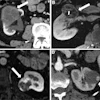
The Medical Imaging and Technology Alliance (MITA) has applauded an actuarial cost-benefit analysis conducted by Milliman, which found that low-dose spiral CT of individuals at high risk for lung cancer would save thousands of lives at a relatively low cost if the procedure were routinely covered by commercial insurers.
The Milliman study, published in the April 2012 issue of Health Affairs, examined the costs and benefits of providing lung cancer screening through low-dose CT to commercially insured high-risk individuals, targeting smokers and long-term former smokers ages 50 to 64 years.
Based on current commercial reimbursement rates for treatment, researchers concluded CT screening would cost approximately $1 per insured member per month in 2012. The study also estimated that the cost per life-year saved would be less than $19,000, which is less than screening for cervical and breast cancer and comparable to the cost per life-year saved of screening for colorectal cancer.