(Booth 6237) Image Analysis of Columbia, KY, plans to show a new automated CT bone densitometry system at this year's RSNA meeting.
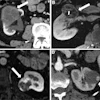
QCT DXAView Hip Application uses conventional quantitative CT volumetric images, acquired with calcium hydroxyapatite phantoms, to create 2D bone mineral density (BMD) measurements of the hip that are comparable to conventional dual-energy x-ray absorptiometry, according to the company. QCT DXAView's automatic image-processing methods include segmentations, calibration, coordinate system, rotations, region-of-interest placements, and BMD measurements.
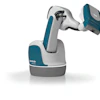
The company also will highlight a new calibration phantom device, INTable Calibration, designed to improve CT BMD technology. INTable's pad replaces a conventional couch pad and can remain in place for all CT studies. The device can be used for calcium scoring and lumbar, thoracic spine, and hip BMD without the need for patient or phantom repositioning, according to Image Analysis.