Dear AuntMinnie Insider,
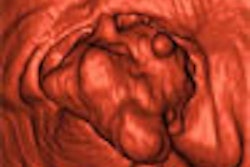
Colon CAD is coming along, thanks to the dogged efforts of researchers around the world. A number of studies have shown that computer-aided detection (CAD) algorithms -- most investigational -- can indeed find hard-to-see colorectal polyps and cancers that radiologists might have missed at virtual colonoscopy.
Many potential benefits are at stake, including higher sensitivity and faster, easier-to-perform exams, though enthusiasm has been dampened by the persistence of false-positive findings, and the difficulty of designing algorithms to detect nonpolypoid lesions.
Largely missing from the results, however, have been direct head-to-head comparisons between radiologists using CAD and those reading VC exams without it. And so, to address the real-world potential of one system, researchers from the U.K. put a commercially available CAD system to the test with a group of radiologists who were not experts at reading VC studies.
The group read the studies with and without CAD (after being given two months to forget the results of the first run-through), and the results were analyzed for readers at all skill levels. You'll find the intriguing results of the group's efforts in this issue's Insider Exclusive article.
Also in this Insider, a study from Italy showed the unique benefits of virtual colonoscopy in an elderly population that often has difficulty with invasive colonoscopy exams for myriad reasons, ranging from frailty to the use of anticoagulant medications or the presence of stenosing lesions. The elderly are among the populations for whom VC proponents have been working hardest for reimbursement, and so this study, presented at the recent European Congress of Radiology, bears notice.
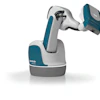
And there's more. The emerging alternatives to colonoscopy include the Aer-O-Scope, a self-propelled, self-navigating colonoscope that reached the cecum in 10 of 12 healthy volunteers in Israel. Just scroll down for a wealth of stories on virtual colonoscopy and colon health in this issue of the VC Insider.