Dear Cardiac Imaging Insider,
Years after successful surgery, heart transplant patients in Argentina are getting their follow-up imaging procedures less invasively.
Post-transplant monitoring is needed to keep tabs on intimal proliferation, which can lead to severe coronary artery stenosis, and may be responsible for as many as 40% of the late deaths among heart transplant patients.
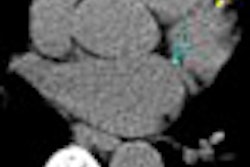
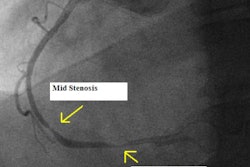
Radiologists at Diagnóstico Maipu in Buenos Aires found that CT compared favorably to IVUS and angiography. In fact, conventional angiography often misses the problem entirely, the team reports in today's Insider Exclusive story, published for Insider subscribers before it's made available to other members.
Speaking of noninvasive stenosis detection, MRA is certainly holding its own. In a study from Brazil's University of São Paolo, Dr. Luiz Rodriguez de Ávila, Ph.D., and colleagues found that first-pass MR can distinguish segments with different degrees of obstructive CAD.
Its ability to detect segments in the myocardium that have impaired perfusion, but contain normal coronary arteries, shows the potential clinical importance of identifying patients with heightened risk of CAD who might otherwise be classified as low-risk, they wrote.
Meanwhile, a Danish study favors myocardial perfusion scintigraphy (MPS) for stratifying patients with stable angina pectoris, identifying those with normal perfusion or fixed defects for which coronary angiography and revascularization can be avoided.
This month's reports on missed heart disease in women underscore the need for a multidisciplinary approach to risk assessment. A scroll through the stories below shows how other researchers are addressing the issue, right here in your Cardiac Imaging Digital Community.