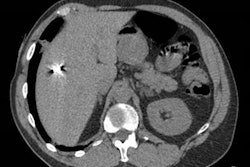
Doctors in Ukraine have removed a potentially explosive grenade from inside a soldier after detecting the device on a chest x-ray, according to military officials.
A tweet at 6:50 a.m. on January 9 by "UA_StratCom" -- the official Twitter page of strategic communications for Ukraine's armed forces -- identified the device as a VOG grenade, which are designed to be fired from grenade launchers attached to assault rifles.
"Our military doctors performed a successful and incredible operation to remove an unexploded VOG grenade from the body of a serviceman!" the officials wrote. "It was removed in the presence of two sappers who ensured the safety of medical personnel."
The tweet included a photograph of Major General Andrii Verba, a surgeon, holding the grenade with bloodied gloves after the procedure.
Наші військові лікарі провели успішну та неймовірну операцію з видалення гранати ВОГ, яка не розірвалася, з тіла військовослужбовця!
— UA_StratCom (@StratCom_AFU) January 9, 2023
Її було видалено у присутності двох саперів, які страхували безпеку медичного персоналу. #StratCom_UA pic.twitter.com/cK7myI36g2
In a follow-up tweet a minute later, UA_StratCom posted the x-ray showing the VOG grenade inside the chest of the soldier.
"The operation was performed by one of the most experienced surgeons @UArmedForces - by Major General Andrii Verba without electrocoagulation, as the grenade could detonate at any moment," the tweet read.
"Fortunately, everything passed -- the wounded man has already been sent for rehabilitation and recovery," officials wrote.