Referral patterns to radiologists for musculoskeletal (MSK) imaging exams vary widely by provider specialty, which suggests there may be ways radiologists can guide education and outreach to their referring physician peers, according to a study published online February 28 in the American Journal of Roentgenology.
Researchers led by Dr. Paul Harkey from Emory University School of Medicine used data from the 2014 Medicare Referring Provider Utilization for Procedures public use file on provider referral for 4.2 million musculoskeletal extremity imaging services. The file aggregates information on diagnostic procedures according to referring provider identities and service codes.
 Dr. Paul Harkey from Emory University.
Of the total MSK exams ordered, the most common referring provider specialties were as follows:
- Orthopedic surgery (37.6%)
- Internal medicine (20.2%)
- Family practice (14.8%)
- Emergency medicine (7.9%)
- Rheumatology (5.7%)
Orthopedic surgeons most commonly ordered MSK extremity CT (33,465 examinations versus fewer than 2,000 exams for all other specialties), MRI (325,485 examinations versus fewer than 20,000), and radiography (1.2 million exams versus fewer than 850,000). Internal medicine physicians most commonly ordered MSK extremity ultrasound (8,052 examinations versus fewer than 6,000 for all other specialties).
Among the specialties most related to MSK imaging, the most frequent referrers after orthopedic surgeons were rheumatologists, for radiography and ultrasound, and podiatrists, for CT and MRI.
In addition, the most commonly ordered individual MSK extremity imaging services included the following:
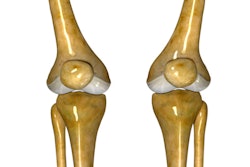
- Knee x-ray, with 190,354 examinations ordered by orthopedic surgeons
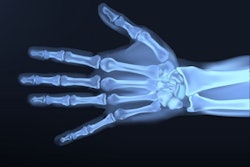
- Hand x-ray, with 66,167 examinations ordered by rheumatologists
- Foot x-ray, with 137,042 examinations ordered by podiatrists
- Shoulder x-ray, with 11,299 examinations ordered by sports medicine specialists
- Hip x-ray, with 9,838 examinations ordered by physiatrists
Directed education
Becoming aware of these referral patterns could help radiologists better target education and outreach efforts -- and promote partnerships between them and their referring physician peers, Harkey and colleagues concluded.
"For example, clinical decision-support software could leverage the observations regarding modality- and specialty-specific referral patterns to provide more targeted guidance regarding order appropriateness," they wrote. "In addition, in light of the wide spectrum of specialties that order MSK imaging, radiologists may expand their outreach efforts beyond primary care and look to incorporate rheumatologists, sports medicine physicians, physical medicine and rehabilitation specialists, and podiatrists."