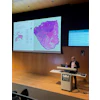
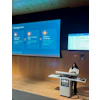
The National Comprehensive Cancer Network (NCCN) hosted a policy summit in Washington, DC, on September 9 to explore the role of AI in cancer care both now and in the future.
Participants, including patients and patient advocates, clinicians, and policymakers, discussed AI’s emerging success in improving oncology care, as well as areas of possible concern.
Among topics raised were issues of implementation and integration into different platforms, oversight (both internal and governmental), and avoiding disparities and increasing access to AI-based software.
Collaboration between medical and technological organizations in the creation and implementation of AI tools for oncology was also highlighted, with the observation that many of the challenges faced with diagnostic AI software have also been faced in other fields that use AI applications.
The speed at which AI models are evolving was a common theme with panelists, NCCN said, with some comparing its potential to advances in care that represented major technological shifts, such as the transition to electronic medical records.
AI and cancer care was also the topic of a plenary session during the NCCN 2025 Annual Conference. Sessions are available for viewing at the NCCN Continuing Education Portal.
NCCN will be hosting a Patient Advocacy Summit on December 9 on the cancer care needs of veterans and first responders.