Lunit plans to highlight seven AI-based studies at the upcoming RSNA meeting.
The studies include two oral presentations and five posters, and address AI advancements for chest x-ray reporting and breast cancer risk assessment, the company said.
Topics include the following:
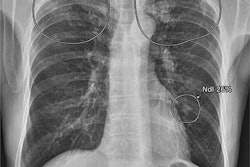
- Lunit's AI model combines new and existing AI algorithms to filter normal chest radiographs from the radiology workload
- An exploration of the accuracy and robustness of Lunit's Insight MMG compared with radiologist readers
- Lunit's AI model tracks mammographic parenchymal patterns as predictive markers for breast cancer risk
- A comparison of the diagnostic accuracy of radiologists with and without the use of Lunit’s breast cancer screening algorithm
- An assessment of the value of supplemental breast ultrasound and Lunit’s AI software in screening mammography for women with dense breasts
- An assessment of the false-negative results of Lunit’s AI-based CADe/x in mammograms for invasive breast cancers