Dear Artificial Intelligence Insider,
A lack of reimbursement has been a big hurdle in the way of broad implementation of artificial intelligence (AI) in radiology. However, the American Medical Association (AMA)'s recent approval of the first-ever radiology AI CPT code was a promising first step in facilitating adoption.
This issue's Insider Exclusive features analysis on the potential impact of the new category III code, as well as discussion on how soon actual reimbursement could be expected to begin. Spoiler alert: It could be a while.
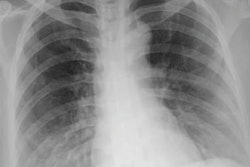
In other AI news, a machine-learning model that analyzed data from blood tests and chest x-rays was reported to be highly sensitive for identifying patients with COVID-19. The researchers even concluded that in some settings, their approach could even serve as a substitute for reverse transcription polymerase chain reaction (RT-PCR) tests.
AI algorithms can also be useful for detecting axillary lymph node metastasis on multiparametric MRI exams of breast cancer patients. Meanwhile, a deep-learning algorithm can perform comparably to human readers in assessing intracranial carotid artery calcification on noncontrast CT images.
Although recent developments in AI often add value to radiological patient care, they unfortunately may also increase the workload of radiologists, according to a group of Dutch researchers. A machine-learning model was also able to help predict delays in radiology on-call turnaround times.
A deep-learning algorithm can perform accurate, automated segmentation of intravascular ultrasound images. Also, an AI model could help identify patients at high risk of developing Alzheimer's disease.
Radiologists need to consider how AI's promise is being presented to the public and manage their expectations about when it will be standard of care, according to a recent opinion article. In addition, an AI algorithm was deemed to be highly accurate for detecting and localizing kidney stones on CT exams.
Do you have an idea for a story you'd like to see covered in the Artificial Intelligence Community? Please feel free to drop me a line.