Researchers from the University of Minnesota have developed an artificial intelligence (AI) algorithm that evaluates chest x-rays for the diagnosis of COVID-19.
A team co-led by Dr. Christopher Tignanelli of the University of Minnesota has developed the algorithm in partnership with M Health Fairview and medical records software firm Epic. It will be made available for free through Epic, the group said.
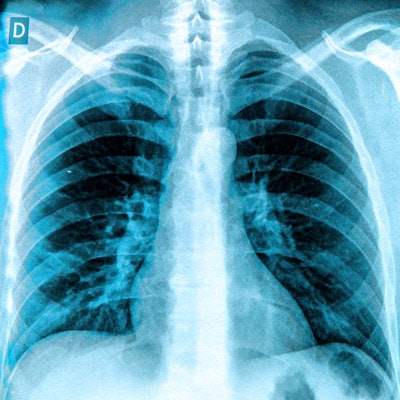
The algorithm evaluates chest x-rays acquired in the emergency department of patients with suspected COVID-19. Research co-lead Ju Sun, PhD, and colleagues used 100,000 x-rays of patients without COVID-19 and 18,000 of patients with the disease to validate the algorithm.
"This may help patients get treated sooner and prevent unintentional exposure to COVID-19 for staff and other patients in the emergency department," Tignanelli said in a statement released by the university. "This can supplement nasopharyngeal swabs and diagnostic testing, which currently face supply chain issues and slow turnaround times across the country."