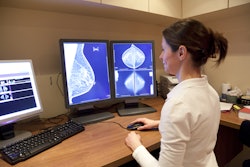
Nearly four out of five medical practices report having a shortage of breast imaging radiologists on staff, according to survey findings published February 16 by Medicus Healthcare Solutions.
This comes as more women are eligible for breast cancer screening due to recently adjusted guidelines, the report noted. This year, nearly 322,000 women in the U.S. will be diagnosed with invasive breast cancer, according to Medicus.
"Rising demand for breast cancer screening and diagnostics is outpacing the supply of breast imaging radiologists, straining workforce capacity and access nationwide," Medicus stated in its survey, titled "Behind the Screens: The Breast Imaging Radiologist Shortage."
Staffing issues continue to plague radiology departments. Prior reports and statements from imaging societies have warned of consequences of staffing shortages among radiologists and radiologic technologists as imaging demand continues to rise.
Medicus’ survey reported there are about 7,500 breast imaging radiologists in the U.S. The following states have the lowest number of breast imaging radiologists per 100,000 women ages 40 and older: Arizona, Nevada, New Mexico, Wyoming, and West Virginia. The survey also found that 79% of practices report being short-staffed in breast imaging radiology.
The survey also cited recent match data suggesting demand for breast imaging fellowship positions has outpaced applicant interest. Applicant-to-position ratios stay below 1:1 from 2021 to 2025, according to the report.
Medicus suggested that the shortage comes from several factors, including screening guidelines, limited interest in fellowships, and increasing breast cancer diagnoses, among others. The survey found that the U.S. mammography market increased by about 20 million newly eligible women thanks to adjusted screening guidelines by the U.S. Preventive Services Task Force (USPSTF).
“There are about four breast imaging radiologists per 100,000 women aged 40 and older,” Medicus said.
However, the report also outlined actionable strategies that practices can implement. These include using telemedicine services more, implementing AI into workflows, and using locum tenens staff to support imaging coverage and manage work volumes.
“Breast imaging demand continues to grow, while the supply of qualified breast imaging radiologists remains limited in many markets,” Medicus said. “The result is a steady operational challenge for mammography and diagnostic services, with implications for access and turnaround times.”
The survey used proprietary data from Medicus, as well as data from the Kaiser Family Foundation.
Read the full report here.