Lantheus Medical Imaging is directing attention to research presented at the recent 2021 American Urological Association (AUA) virtual annual meeting involving its Pylarify PET radiopharmaceutical (piflufolastat F-18).
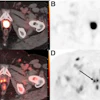
The researchers examined the utility of the prostate specific membrane antigen-targeted tracer during initial assessment on men with high-risk prostate cancer. After receiving a piflufolastat F-18 scan, 72 of 268 men in the trial were found to have regional lymph node and/or distant metastases that were radiographically staged as N1/M0 (39 patients) or as N0/M1 or N1/M1 disease (33 patients), according to the vendor.
In addition, Lantheus presented an independent, retrospective review on the impact of piflufolastat F-18 imaging on patient management in the trial. The vendor found that incorporating piflufolastat F-18 imaging led to a potential change in planned management for 43.6% (115/264) of patients. In 39% (103/264), a change in surgery or type of surgery was recommended and in 25.8% (68/264), a change in planned radiation therapy was recommended.