A Swiss company's ambitious project to bring high-quality x-ray to the developing world took a step forward with the receipt of $14.4 million (12.3 million euros) in funding. Pristem hopes to bring an affordable, rugged radiography system that can be used anywhere in the world to market in two years.
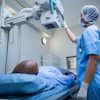
The World Health Organization estimates that two-thirds of the world's population has no access to imaging. To address this need, Pristem is developing a digital radiography (DR) system that meets the standards of developing countries but which can operate in low-income regions that might not have the infrastructure for supporting sophisticated equipment.
The company's GlobalDiagnostiX unit is a general-purpose DR system designed to be robust and work under extreme conditions such as tropical climates and interruptions in electrical supply. The U-arm system includes a user-friendly interface and internet connectivity that supports teleradiology and remote maintenance.
Purchase contracts for Pristem DR systems will include six-year comprehensive maintenance contracts that cover replacement or repair costs in the event of failure.
Pristem is the first spin-off of the Swiss university École Polytechnique Fédérale de Lausanne (EPFL) and its EssentialTech program, which is dedicated to developing technologies to fight poverty and vulnerability around the world. The financing represents EssentialTech's approach of combining high-level technology with innovative business models to meet fundamental human needs, according to the company.