C-arm developer Ziehm Imaging of Riverside, CA, has received clearance from the U.S. Food and Drug Administration (FDA) for the company's latest mobile C-arm device.
Ziehm Vision RFD is designed for use in endovascular surgery and interventional cardiology and radiology. It features flat-panel digital detectors and Ziehm's Object Detected Dose Control software, as well as anatomical programs that help minimize dose. The system's 30 x 30-cm detector size and 1.5k x 1.5k resolution provide extended dynamic range and 49% greater anatomical viewing, according to Ziehm.
Related Reading
Ziehm extends deal with BrainLab, May 8, 2009
Ziehm debuts new C-arm at ECR, March 18, 2009
Ziehm releases new surgical C-arm, March 3, 2009
Varian, BrainLab take Mumbai order, October 29, 2008
Road to RSNA, Digital X-Ray, Ziehm Imaging, October 22, 2008
Copyright © 2009 AuntMinnie.com
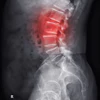
![Representative example of a 16-year-old male patient with underlying X-linked adrenoleukodystrophy. (A, B) Paired anteroposterior (AP) chest radiograph and dual-energy x-ray absorptiometry (DXA) report shows lumbar spine (L1 through L4) areal bone mineral density (BMD). The DXA report was reformatted for anonymization and improved readability. The patient had low BMD (Z score ≤ −2.0). (C) Model (chest radiography [CXR]–BMD) output shows the predicted raw BMD and Z score in comparison with the DXA reference standard, together with interpretability analyses using Shapley additive explanations (SHAP) and gradient-weighted class activation maps. The patient was classified as having low BMD, consistent with the reference standard. AM = age-matched, DEXA = dual-energy x-ray absorptiometry, RM2 = room 2, SNUH = Seoul National University Hospital, YA = young adult.](https://img.auntminnie.com/mindful/smg/workspaces/default/uploads/2026/04/ai-children-bone-density.0snnf2EJjr.jpg?auto=format%2Ccompress&fit=crop&h=100&q=70&w=100)


![Representative example of a 16-year-old male patient with underlying X-linked adrenoleukodystrophy. (A, B) Paired anteroposterior (AP) chest radiograph and dual-energy x-ray absorptiometry (DXA) report shows lumbar spine (L1 through L4) areal bone mineral density (BMD). The DXA report was reformatted for anonymization and improved readability. The patient had low BMD (Z score ≤ −2.0). (C) Model (chest radiography [CXR]–BMD) output shows the predicted raw BMD and Z score in comparison with the DXA reference standard, together with interpretability analyses using Shapley additive explanations (SHAP) and gradient-weighted class activation maps. The patient was classified as having low BMD, consistent with the reference standard. AM = age-matched, DEXA = dual-energy x-ray absorptiometry, RM2 = room 2, SNUH = Seoul National University Hospital, YA = young adult.](https://img.auntminnie.com/mindful/smg/workspaces/default/uploads/2026/04/ai-children-bone-density.0snnf2EJjr.jpg?auto=format%2Ccompress&fit=crop&h=112&q=70&w=112)