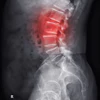
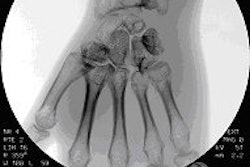
Tel Aviv, Israel-based Orthocrat has introduced GrowthFactor, a digital software application for diagnostic measurement and surgical planning in pediatric orthopedic surgery.
GrowthFactor automates a range of radiographic measurements and compares them to normal values. It offers simulation of corrective procedures such as osteotomy and epiphysiodesis, and streamlines pediatric orthopedic workflow.
The Web-based application can be integrated with PACS software, and includes automated multiplier predictions for calculating mature height and leg length discrepancy. Also included in GrowthFactor are measurements such as acetabular index, Reimer index, malalignment tests, spinal deformity analysis, patellar index, and foot indices.
GrowthFactor compares specific measurements to normal parameters, using a built-in index of current literature standards. It includes a range of pediatric orthopedic templates such as osteotomy plates and screws.
Orthocrat has also introduced a new version 1.3 of its TraumaCad software, with enhanced features.
By AuntMinnie.com staff writers
December 8, 2004
Related Reading
Orthocrat gets FDA nod for TraumaCad, November 19, 2004
Orthocrat signs Smith & Nephew, October 1, 2004
iCRco, Orthocrat partner, September 17, 2004
NovaRad teams up with Orthocrat, February 24, 2004
Copyright © 2004 AuntMinnie.com