Monday, December 2 | 3:40 p.m.-3:50 p.m. | SSE06-05 | Room E353A
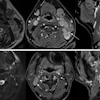
Acquiring coronary CT angiography (CCTA) in addition to head CT for patients suspected of having an acute ischemic stroke can help identify potential sources of cardioembolic stroke while also providing insight into the patients' risk of coronary artery disease, according to this study to be presented on Monday.A research group from Canada examined the clinical data of approximately 1,400 patients confirmed to have ischemic stroke by a standard "hot stroke" imaging protocol that included conventional head CT and CT angiography.
Among these patients, nearly 8% also underwent CCTA, and roughly half of this subcohort turned out to have a cardioembolic stroke. The predominant high-risk source of cardioembolic stroke was having prosthetic cardiac valves, and several of the medium-risk sources included patent foramen ovale and mitral annular calcifications.
The findings indicate that CCTA plus head CT can reliably identify potential sources of clinically suspected cardioembolic strokes and additionally deliver a risk assessment of the coronary arteries, noted Dr. Sadia Qamar and colleagues from Vancouver General Hospital.
"Early and quick identification of the cardioembolic source is of paramount importance in strategizing the appropriate therapeutic options for patients presenting with acute stroke," Qamar told AuntMinnie.com. "The necessity of one-stop-shop imaging for the patients presenting with an acute stroke in the emergency department is adequately provided with multiple-detector-row CT."